At Norton, we place huge importance on encouraging each and every child to flourish, supporting them to be the very best they can in order to prepare them for life in modern Britain.
Reception class is where the children begin their journey into school and are welcomed into our school family.
We are a fully inclusive school and adapt our curriculum successfully to suit to needs of all learners.
High expectations begin here with our school vision; STAR. Strive, Think, Act, Respect, so we all shine like stars.
At Norton C of E Primary, we recognise the importance that a child’s early experiences have on shaping the person and learner they become. As a passionate team, we share a clear vision: children develop into lifelong learners when they are happy, curious, creative, confident and fully engaged in their learning. We foster this by providing regular opportunities for children to develop the characteristics of effective learning.
We offer pupils a safe, nurturing and stimulating environment, where they can explore, discover and grow, being accessible to all. At Norton we enable children to thrive while developing independence and resilience. Daily routines, quality provision and high quality adult–child interactions promote children’s safety, well-being and independence.
Our EYFS curriculum is carefully designed to establish strong foundations across the prime and specific areas of learning. It ensures a clear and progressive development of foundational knowledge and skills, preparing children to continue learning successfully in Key Stage 1 and beyond. The staff have strong knowledge of the EYFS framework (Development Matters) and implement it effectively in day-to-day practice taking into considerations the children’s starting points and caring adapting the curriculum to ensure all children make good progress.
The Reception Class is part of the Early Years Foundation Stage (EYFS).
In Reception we follow the Development Matters leading into the Early Learning Goals at the end of Reception.
The Curriculum consists of seven areas of learning.
Prime areas of learning:
Personal, Social and Emotional Development (PSED),
Communication and Language (CL),
Physical Development (PD)
Specific areas of learning:
As a staff we aim to ensure their learning is engaging, enjoyable, progressive and that their experiences build upon what they know to make sure they make progress and have good outcomes by the end of the Reception year.
Through the clearly sequenced curriculum the children learn new skills, knowledge and vocabulary in a stimulating learning environment. Provision indoors and outdoors supports the intended curriculum and encourages exploration and problem-solving.
In Reception we focus on building Foundational skills; oracy, composing sentences orally, phonics, letter formation, holding a pencil correctly, early maths skills, communication.
We allow time for children to practice to secure skills and the teachers revisit previously taught knowledge and then model new learning.
The curriculum is coherently planned and sequenced, Through the year the children will develop, consolidate and deepen their knowledge across all seven areas of learning and will have strong knowledge and skills for their future learning at Norton and beyond.
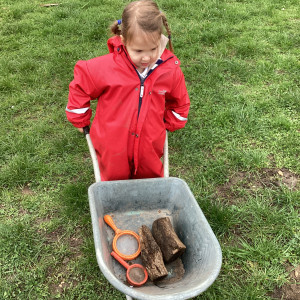
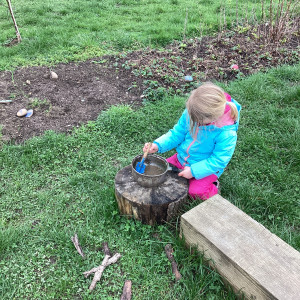
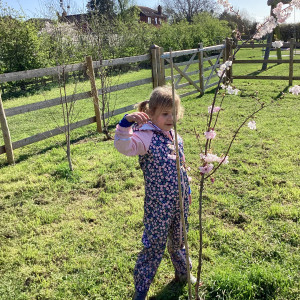
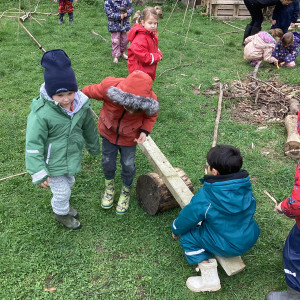
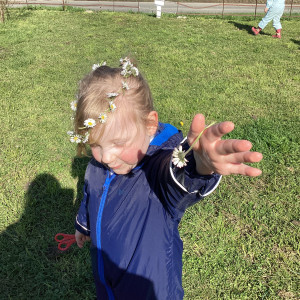
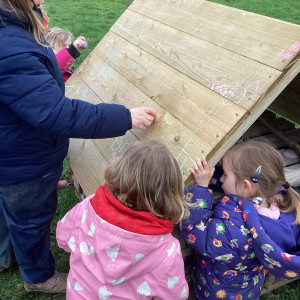
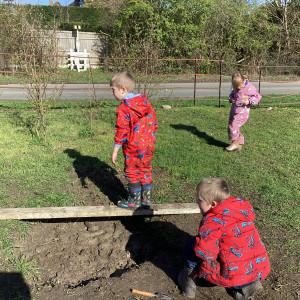
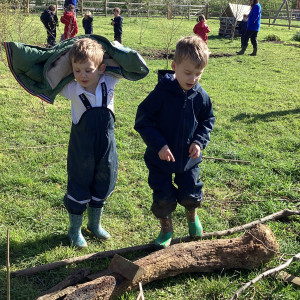
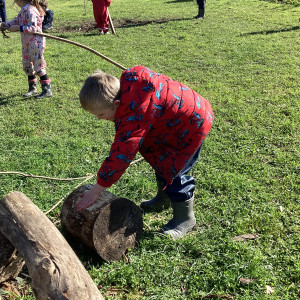
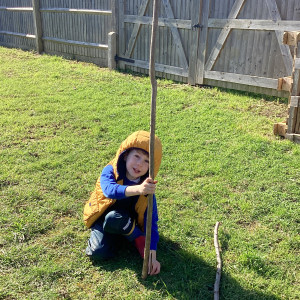
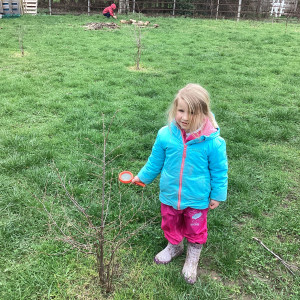
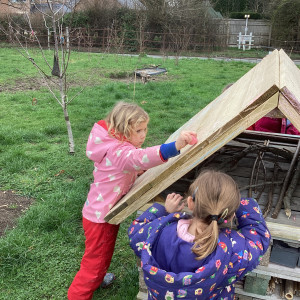
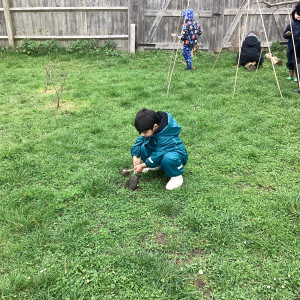
Weekly Outdoor learning supports their mental health, physical development, communication skills, independence, problem solving, early maths skills, Knowledge of the World and confidence through a blend of adult directed and child initiated learning in a natural environment.
Trips and experiences:
Autumn- Cheltenham Literature Festival, Autumn parent stay and craft, Christmas Infant Multi-skills
Spring- Mother’s Day stay and craft, Easter Infant Multi-skills, Trip to local working farm
Summer - Father’s Day stay and craft, Summer Infant Multi-skills, Trip to Cotswold Wildlife Park
Phonics and reading
At Norton school will follow Unlocking Letters and Sounds and all children will learn to read and write through progressive daily phonics. They learn to read by learning the phonemes. They can then start to read words by blending individual sounds together to make words.
Alongside learning to decode the words on the page, your child will also learn comprehension skills. This helps them to make sense of what the words say and what the text means. Together, these skills will help your child on their way to becoming a keen and confident reader.
Homework
Daily Reading at home to an adult with reading records signed.
Parents will be informed of weekly learning so they you can support your child at home!
Phonics packs sent home to inform sounds, action and formation of the graphemes
How can I help my child in Reception?
Read to your child
Life is busy, but daily reading with your child is one of the best ways you can support their education and help them to become a strong reader.
While you are reading, make sure to check they are following along. Explain the meaning of unfamiliar words, as this will help widen your child’s vocabulary and support them to make sense of the story. Snuggle up and enjoy the story!
Phonics
As children learn the phonemes and Common Exception Words each week, they will be sent home as flashcards that can be practised daily until they can recognise them on sight.
Every three weeks we assess their progress and then send home a precision grid with focus phonemes to support their continued progress.
To begin with children bring home wordless books in order to develop their vocabulary and book knowledge. Once they are able to blend they will levelled onto a book that matches their phonic ability.